


The Costa Blanca, bathed by the waters of the Mediterranean Sea, offers a privileged marine environment. With pleasant temperatures all year round and exceptional visibility, this stretch of coastline in the province of Alicante is perfect for exploring underwater life. Its calm waters, low salinity and nutrient-rich conditions make it home to an astonishing biodiversity. Discover everything about the marine life of the Costa Blanca!
Marine Life and Protected Underwater Habitats
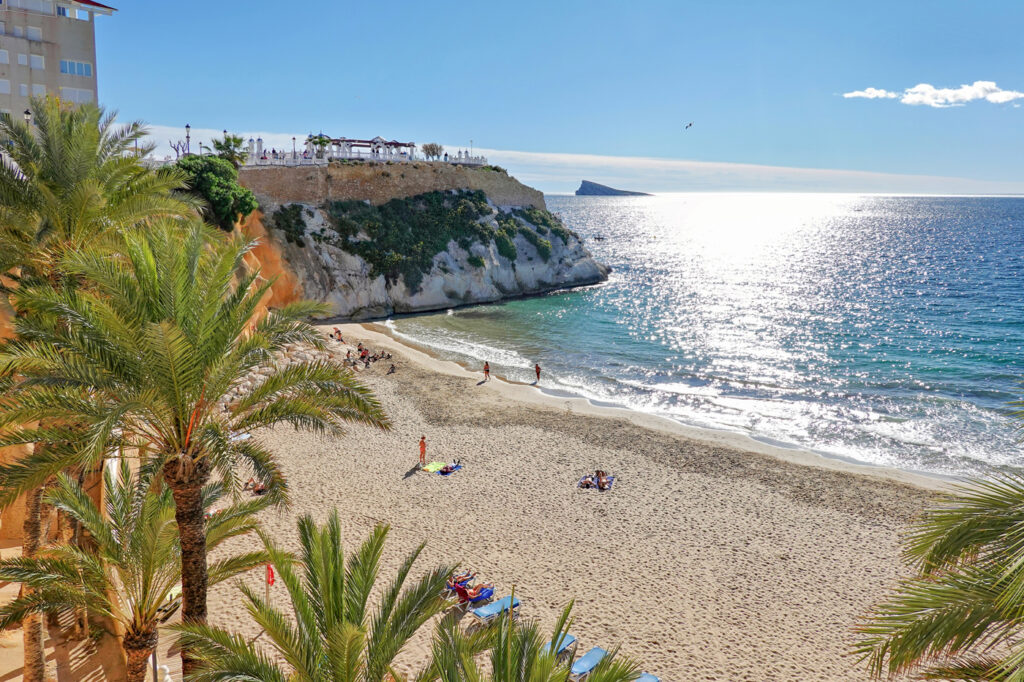
From sandy seabeds and posidonia meadows to underwater caves and submerged cliffs, the marine ecosystem of the Costa Blanca is home to a wide variety of habitats that support different species. In fact, areas such as the Serra Gelada Natural Park and Benidorm Island are protected due to their high ecological value, helping to preserve the region’s rich marine life.
Marine Life and Biodiversity: A Treasure Beneath the Waves
Native Mediterranean Fish
Among the most common inhabitants of the Alicante coastline are species such as gilt-head bream, white seabream, sea bass and triggerfish. You can also spot schools of salema and smaller, colourful fish like rainbow wrasse and ornate wrasse, which bring life and movement to this underwater world.
Molluscs, Crustaceans and Echinoderms
Beneath the rocks and among the posidonia meadows live octopuses, cuttlefish, hermit crabs, shrimp and sea urchins. These invertebrates play a vital role in maintaining the ecological balance of the marine environment and are fascinating to observe in their natural habitat.
Occasional Marine Mammals and Seabirds
Although less frequent, it’s not uncommon to spot common dolphins along sailing routes. In addition, seabirds such as seagulls, cormorants and gannets can often be seen diving for food, completing the visual cycle of this ecosystem between sea and sky.
Iconic Species of the Costa Blanca
Posidonia Oceanica and Its Ecological Value
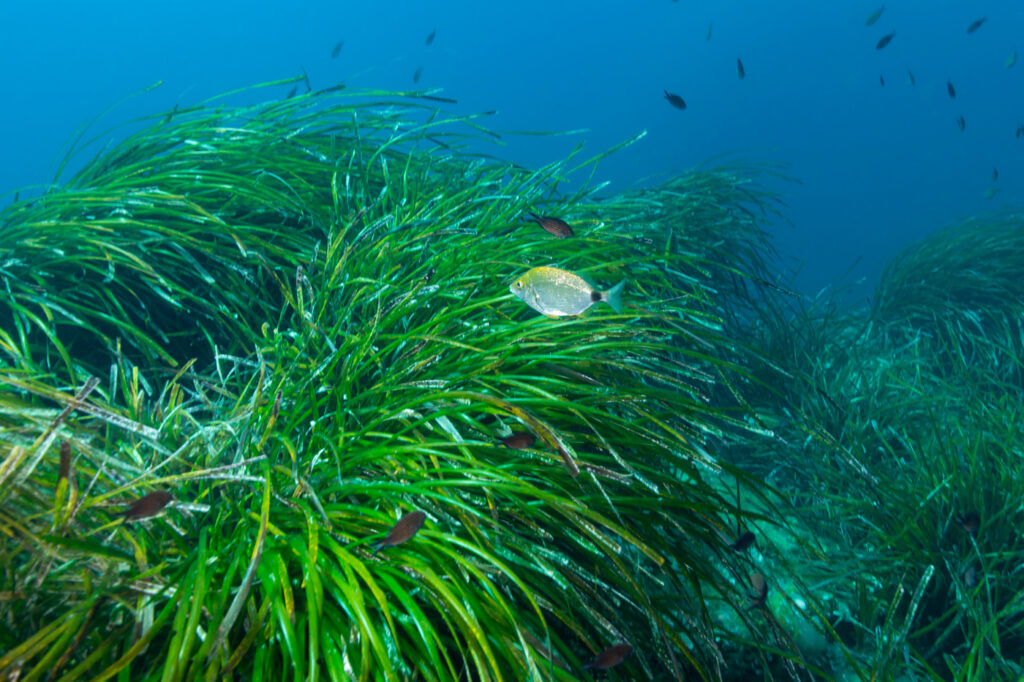
This underwater plant, often mistaken for algae, is one of the pillars of Mediterranean biodiversity. It forms true underwater meadows that oxygenate the sea, protect beaches from wave erosion, and provide shelter and food for countless species.
The Seahorse, a Symbol of Delicacy
Rarely seen and extremely fragile, the seahorse lives in calm waters with dense marine vegetation. Its presence is a sign of a healthy ecosystem, and spotting one is an unforgettable experience for any sea lover.
Octopuses, Groupers, Sea Bream and Colourful Fish
The octopus, known for its intelligence and camouflage skills, is one of the true kings of the coastline. Also worth highlighting are groupers—majestic and territorial—as well as the vibrant variety of Mediterranean fish that bring colour and life to every corner of the seabed.
3 Ideal Spots to Observe Marine Life
1. Snorkelling in Coves and Marine Reserves
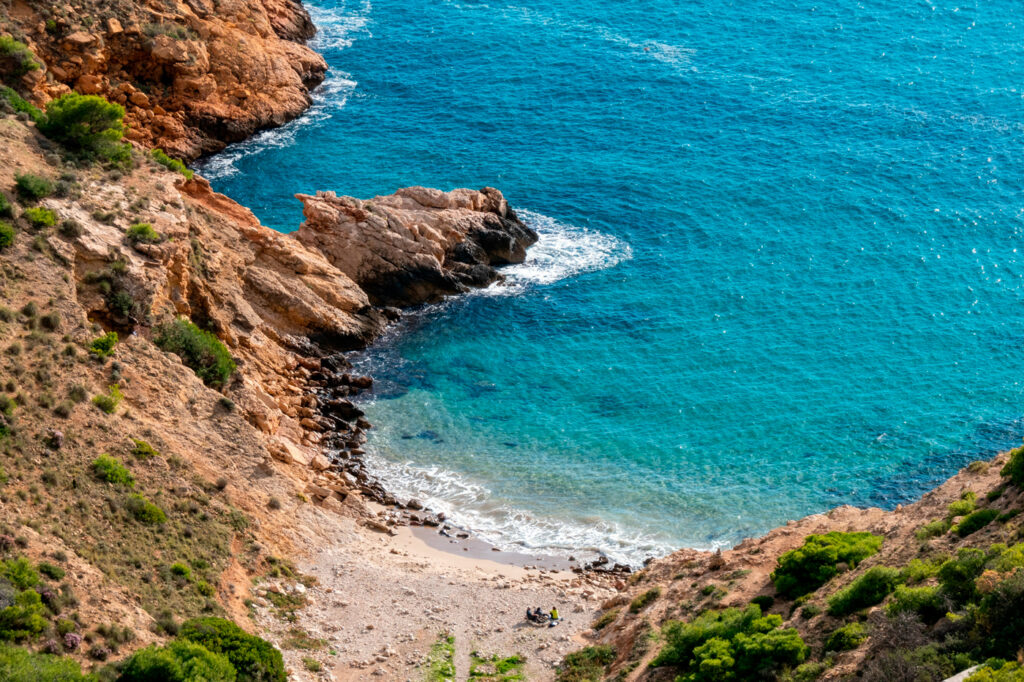
Coves like Tío Ximo and La Almadrava, located very close to Camping Villasol, are perfect for beginners in snorkelling. With just a mask and snorkel, you can admire fish and marine plants without the need for deep diving.
2. Diving at Benidorm Island and Serra Gelada
These protected areas offer underwater routes suitable for all levels. The richness of their biodiversity makes every dive a true discovery. Rocky seabeds, natural tunnels and vertical walls are teeming with marine life.
3. Family-Friendly Guided Excursions
From the harbour or local diving centres, family outings are organised to observe marine life. Many of these include glass-bottom boat tours or educational activities designed especially for children.
How Can We Protect This Unique Ecosystem?
Responsible Underwater Tourism
When snorkelling or diving, it’s essential to avoid touching marine organisms or collecting any species. Observing without disturbing is the best way to enjoy and protect this valuable environment.
Do Not Touch or Feed Marine Life
As tempting as it may be, feeding fish alters their natural behaviour and can disrupt the ecosystem. Animals—especially vulnerable ones like seahorses or sea urchins—should never be touched or disturbed.
The Importance of Marine Protected Areas
Respecting the rules of marine reserves ensures the long-term conservation of these Mediterranean treasures. They serve as sanctuaries for biodiversity and are ideal spaces for environmental education and ecotourism.
Camping Villasol and Its Connection with Nature
Located just a short distance from some of Benidorm’s most beautiful coves, Camping Villasol is the perfect starting point to explore the region’s marine life. Its natural surroundings invite guests to connect with the underwater world through accessible and enriching activities.
From the campsite, you can organise snorkelling routes, excursions to Benidorm Island, kayak outings and visits to marine interpretation centres. All with the aim of combining leisure, learning and respect for the environment.
Camping Villasol promotes sustainable values among its guests and is committed to a respectful coexistence with nature. Educating in love for the sea is key to preserving its richness.
Exploring the Mediterranean means protecting its biodiversity
The marine wildlife of the Costa Blanca is a priceless natural treasure. Learning about it, observing it, and protecting it is a way to enrich our holidays and leave a positive mark on the environment. From Camping Villasol, we encourage you to discover this impressive aquatic kingdom with responsibility and passion.
What marine animals can be seen in Benidorm?
What marine animals can be seen in Benidorm?
You can spot fish such as gilthead bream, white seabream, parrotfish, salema, cuttlefish, octopus, sea urchins, and even seahorses. Occasionally, dolphins and seabirds like cormorants can also be seen.
Where can I go snorkelling near Camping Villasol?
The coves of Tío Ximo and Almadrava are perfect for snorkelling and just minutes away from the campsite. The Serra Gelada Natural Park is also highly recommended.
Is wildlife watching safe for children?
Yes, as long as basic safety guidelines are followed. There are many guided tours specially designed for families with children.
Can I see marine life without knowing how to dive?
Absolutely. Snorkelling is an accessible alternative for all ages. You can also observe many species from glass-bottom boats.
Why is Posidonia oceanica so important?
Because it plays a vital role in marine biodiversity, protects beaches from erosion, oxygenates the sea, and provides shelter and food for countless species.


Leave a Reply